Blog ·
How to Maximize Solar Efficiency on Your Home's Roof
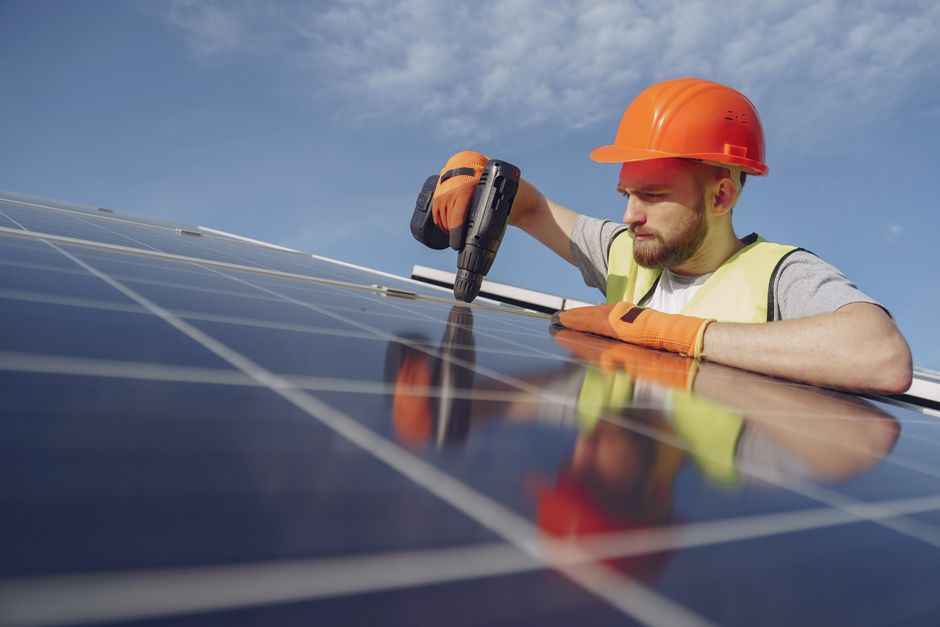
Installing solar panels is a smart investment in your home's future, but getting the most energy production from your system requires attention to several key factors. Your roof's orientation, shading patterns, installation quality, and maintenance habits all play important roles in determining how much clean energy your home can generate throughout the year. By understanding these elements and taking proactive steps, you can ensure your solar system performs at its best.
Roof Orientation and Angle Matter
The direction your roof faces significantly affects your solar panels' productivity. In most regions, a south-facing roof provides optimal sun exposure throughout the day, capturing sunlight during peak hours. However, east and west-facing roofs can still generate substantial energy, especially if they receive good morning or afternoon exposure. The angle of your roof is equally important to its direction. A slope of 30 to 40 degrees generally captures the most sunlight across all seasons, though this varies by latitude. If your roof angle isn't ideal for maximum production, modern solar mounting systems can adjust panel orientation to improve performance and compensate for suboptimal roof angles.
Identify and Minimize Shade
Even partial shade can significantly reduce your system's efficiency. Trees, neighboring buildings, chimneys, vents, and other structures can cast shadows on your panels, especially during morning and evening hours when the sun is lower on the horizon. Before installation, conduct a thorough evaluation of potential shade sources throughout the year and at different times of day. Consider whether trimming tree branches might be necessary, and always discuss shade mitigation strategies with your installation team. In some cases, advanced inverter technology can help mitigate shade effects, but prevention through proper panel placement is always the most effective approach.
Quality Installation and Regular Maintenance
Professional installation ensures your panels are mounted correctly, electrically connected safely, and properly ventilated. Poor installation practices can significantly reduce efficiency and create safety concerns. After installation, regular maintenance is essential for optimal performance. Dust, pollen, bird droppings, leaves, and other debris can accumulate on panel surfaces, reducing sunlight absorption. A simple quarterly cleaning and annual professional inspection will keep your system operating at peak efficiency.
Monitor Your System's Performance
Modern solar systems include monitoring technology that tracks daily energy production and system health. Review these performance reports regularly to identify any unexpected changes or issues. Sudden drops in production may indicate a maintenance need, a technical problem, or changing environmental conditions that require professional attention.
By taking these practical steps, you'll ensure your solar system generates maximum clean energy for your home and delivers the best long-term value for your investment in renewable energy.