Blog ·
Understanding Solar Panel Installation: What Homeowners Need to Know
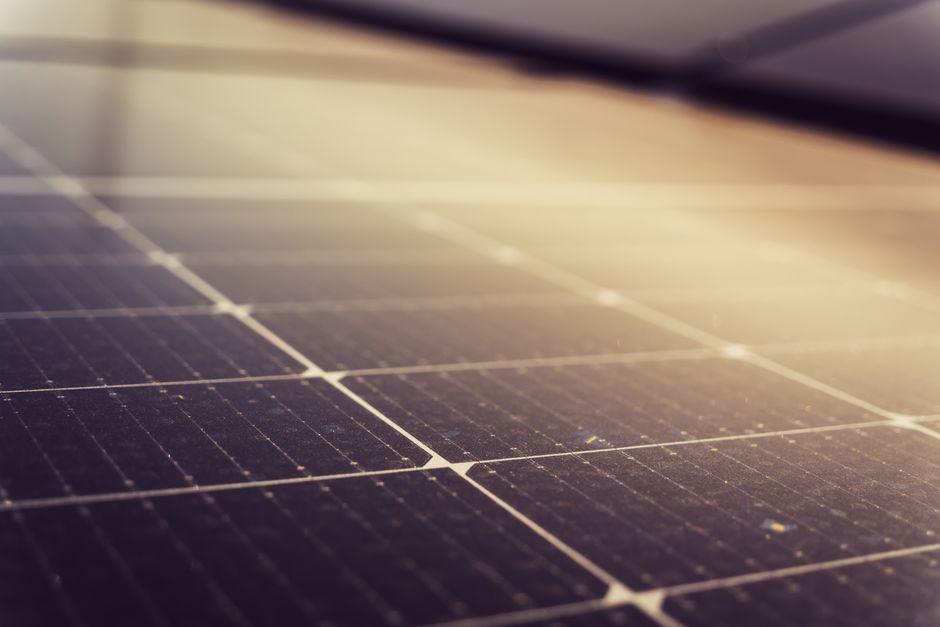
Many homeowners considering solar energy wonder what the installation process actually involves. Understanding the steps from initial assessment to final activation will help you feel confident about your decision to go solar. The installation process is straightforward when you work with experienced professionals who handle all technical details while keeping you informed every step of the way.
Initial Site Assessment and Planning
The process begins with a comprehensive evaluation of your home and roof. Professionals will examine your roof's condition, structural integrity, age, and materials to ensure it's suitable for solar panels. They'll assess sun exposure, identify potential obstacles, and review your energy bills to understand your consumption patterns. This information determines the optimal system size and panel placement for your specific home. If your roof needs repairs or replacement, these should be completed before solar installation to ensure long-term performance and safety.
Permitting and Compliance
Before any physical work begins, your installation company will handle necessary local permits and inspections. These requirements vary by location but ensure your system meets building codes, electrical standards, and local regulations. This process protects you by guaranteeing your system is installed safely and correctly. Your installer manages most paperwork, though you may need to sign permit applications or approve system designs.
Physical Installation and Electrical Work
Installation day involves securing mounting hardware to your roof, installing panels, and running electrical wiring. Professional installers use safety equipment and proper techniques to protect both themselves and your home. The electrical work connects panels in series, routes wiring to your electrical panel, and installs an inverter that converts solar energy into usable electricity. This typically takes one to three days depending on system size.
Inspection and Activation
After installation, local authorities conduct final inspections to verify compliance with codes and standards. Once approved, your utility company may install a special meter to track energy flow. Finally, your system is activated, and you begin generating clean energy. Most homeowners can monitor their system's performance through smartphone apps or web dashboards.
Understanding this process helps you prepare mentally and logistically for solar installation. From assessment through activation, working with knowledgeable professionals ensures everything proceeds smoothly and your new solar system starts delivering clean energy immediately.